CYCLE 3
. *
2026 FELLOWS
. *
CYCLE 3 . * 2026 FELLOWS . *
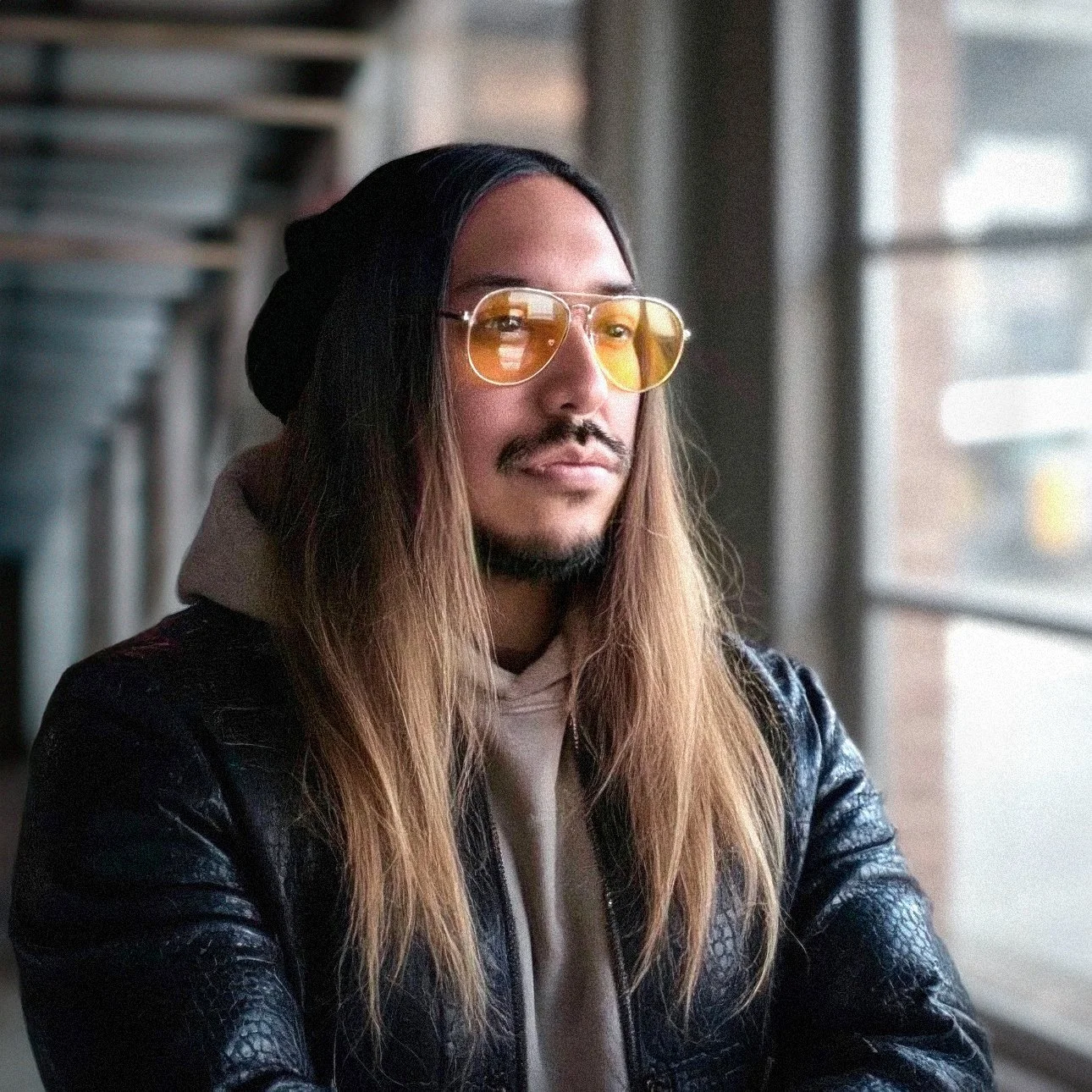
SEBASTIAN LOO
Sebastian Loo (b. Los Angeles, 1996) is an LA-based installation artist working primarily with ink, colors, and Chinese Xuan rice paper. As a queer, Chinese American, Loo’s work ultimately seeks hybridity of: Eastern and Western culture, contemporary and ancient perspectives, religious and secular practices, the natural and artificial. Their practice ultimately aims at personal transformation and systems change, utilizing pointillism and paper cut-out techniques to question the origin stories that shape our worldview. Through these methods, Loo creates works that transcend boundaries, inviting viewers into a space of interconnectedness where all things—matter, icon, or system—exist beyond categorization and are united within a field of unconditional relationship.
Drawing from both “real” and mythological imagery, Loo’s work connects disparate origins. He engages deeply with the idea that meaning and understanding are born from narrative and myth, examining how foundational stories shape human actions and beliefs. By repurposing canonized motifs such as gods, scientific processes, and architectures, Loo creates immersive paintings that allow space for reflection and questioning. He calls his pieces “painted assemblages” since their bodies contain a range of subjects and dynamics, as in multifaceted systems alone. Coming together as hanging installations rather than wall-fixed paintings, his floating pieces respond to each other as if they were societal or cosmic microcosms playing out global dialogues. These suspended mythologies ultimately serve as portals, inviting an essential awareness for all sentient beings to consider the narratives that govern existence.
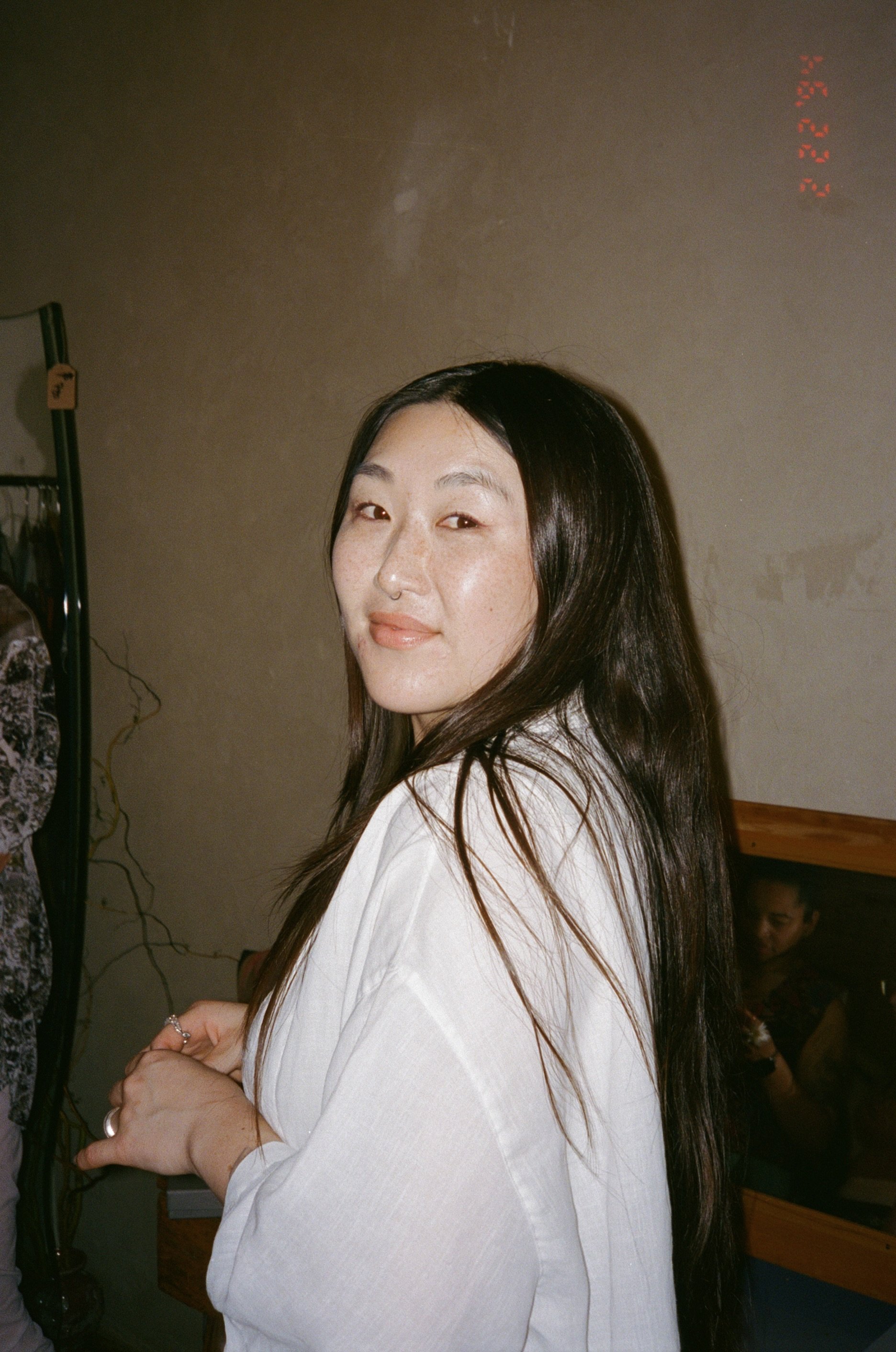
LUCY MU LI
Lucy Mu Li is a Chinese-American interdisciplinary artist working in conversation with Earth. She relies on the ritual return to land and place as her most essential method. As a daughter of diaspora, this dialogue between body and Earth is a process of repair—rerooting and reweaving back into the story of Earth.
Queer and between cultures, she is drawn to the liminal: the places where skin meets skin, where texture and shared language emerge at the threshold. She situates her ecological position as that of a translator amongst kin—an earth linguist—working across painting, photography, writing, bookmaking, and installation to weave stories of more-than-human kinship. With the origins of her practice in drawing and painting, she listens by hand: learning the languages of our more-than-human kin, and bringing their lexicon into her own. This act of learning is itself an act of kinmaking—each borrowed word cultivating an expanded sense of ecological belonging. To cultivate shared language is to grow porosity: softening the boundary between self and world, human and more-than-human, and opening portals to our shared landscapes as earthly kin.
Over the last several years, Li has grown a devotional fieldwork practice across ecosystems in Southern California, the lands and waters of her childhood and her most intimate ecological kin. Using photography and writing as methods of ecological storytelling, her field notes reflect the world as an unfolding conversation between animate beings, uncovering stories that invite us into the underworld of a more ancient intelligence. Her latest work Field Notes in the Vortex, an artist book and photographic textile installation, reflects an expansion into new mediums to translate these years of animistic practice.
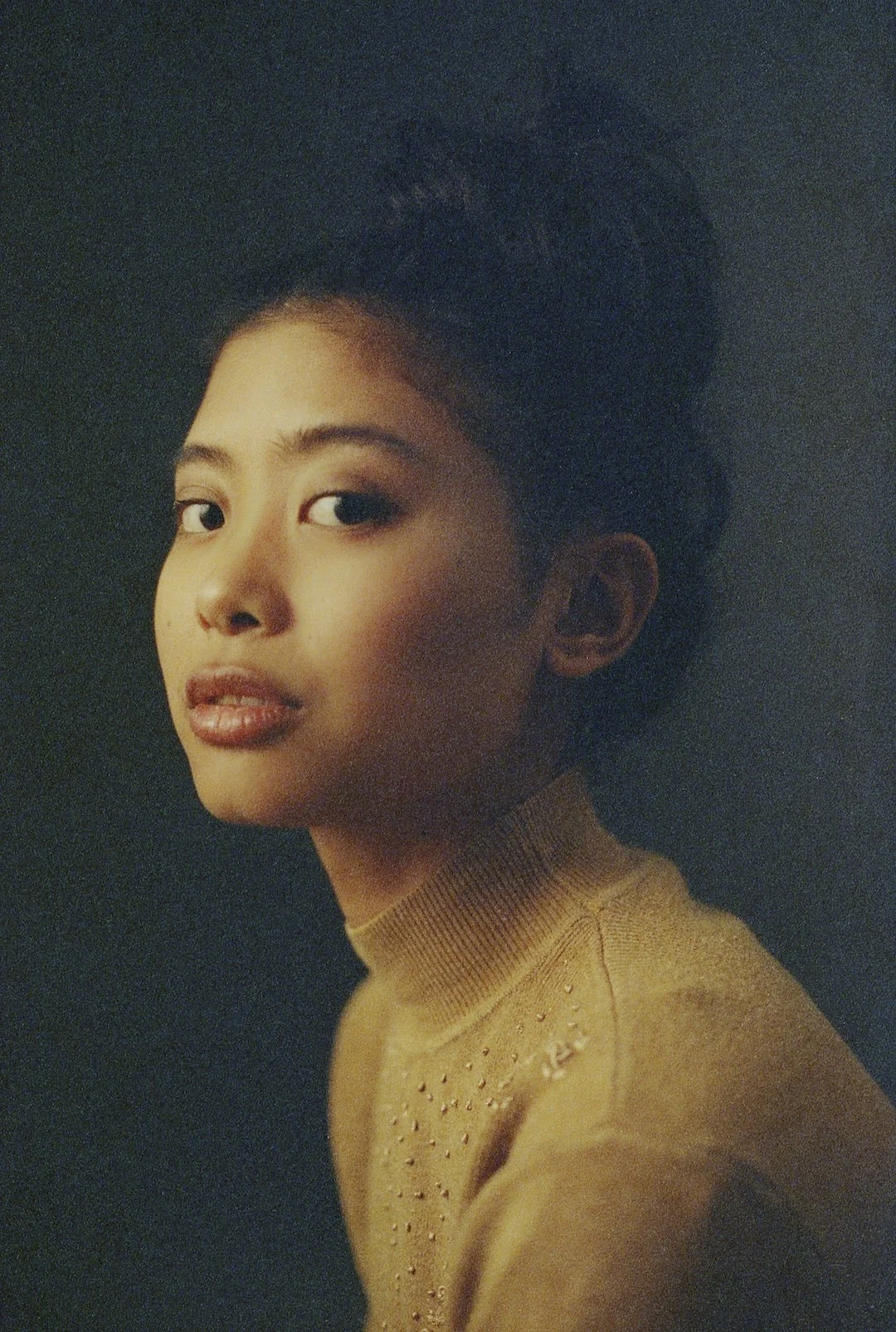
JON CHEN
Jon Chen is an artist and “Quantum Friend” whose practice challenges separations between technology, humanity, and nature. Their work seeks pathways toward harmonious co-existence in a moment defined by climate crisis, disconnection, and apathy. Rooted in wonder, they treat play as a radical tool for building toward these futures.
Their ongoing exploration, ANY, is a digital creative ecosystem that oscillates between platform, tool, and artist network—aimed at liberating 21st-century creative tools and human attention to support dreaming and world-building that flows between the individual and collective.
Grafted onto this is an interconnected web of modular “earthen-ware” sculptures grounded in a Chinese American mythopoetic lineage and reaching toward an emergent, decolonized U.S. mythos inspired by indigenous reclamation—recentering ourselves within an already-present, ever-shifting tapestry of cultural constellations guided by a wind older than memory.
Influenced by the 2000s internet, fantasy and sci-fi RPG video games, and the mysteries of both micro and macro natural worlds, Jon’s work cultivates language, structures, and stories capable of holding our growing planetary and technological complexity. Their practice is balanced by an embodied knowing that brings coherence and clarity to these turbulent waters.
Jon holds a BFA in Sculpture with a concentration in CTC (Computation, Technology, and Culture) from the Rhode Island School of Design. Their collaborative work has explored historical justice, Black cultural archives, immersive story-telling, ecological interaction design, and well-being through creative play, with contributions to the Emmett Till Memory Project, The Black Press @ 200, NYT R&D Team, Restor.eco, and Culture Therapy. Together, these and many other experiences have taught them that grief and joy often share the same flame.
At heart, they remain a sun-kissed, whimsical spirit, tending a Mango Tree, where she plays beside and he dreams beneath, all held gently by the wisdom of the moon.
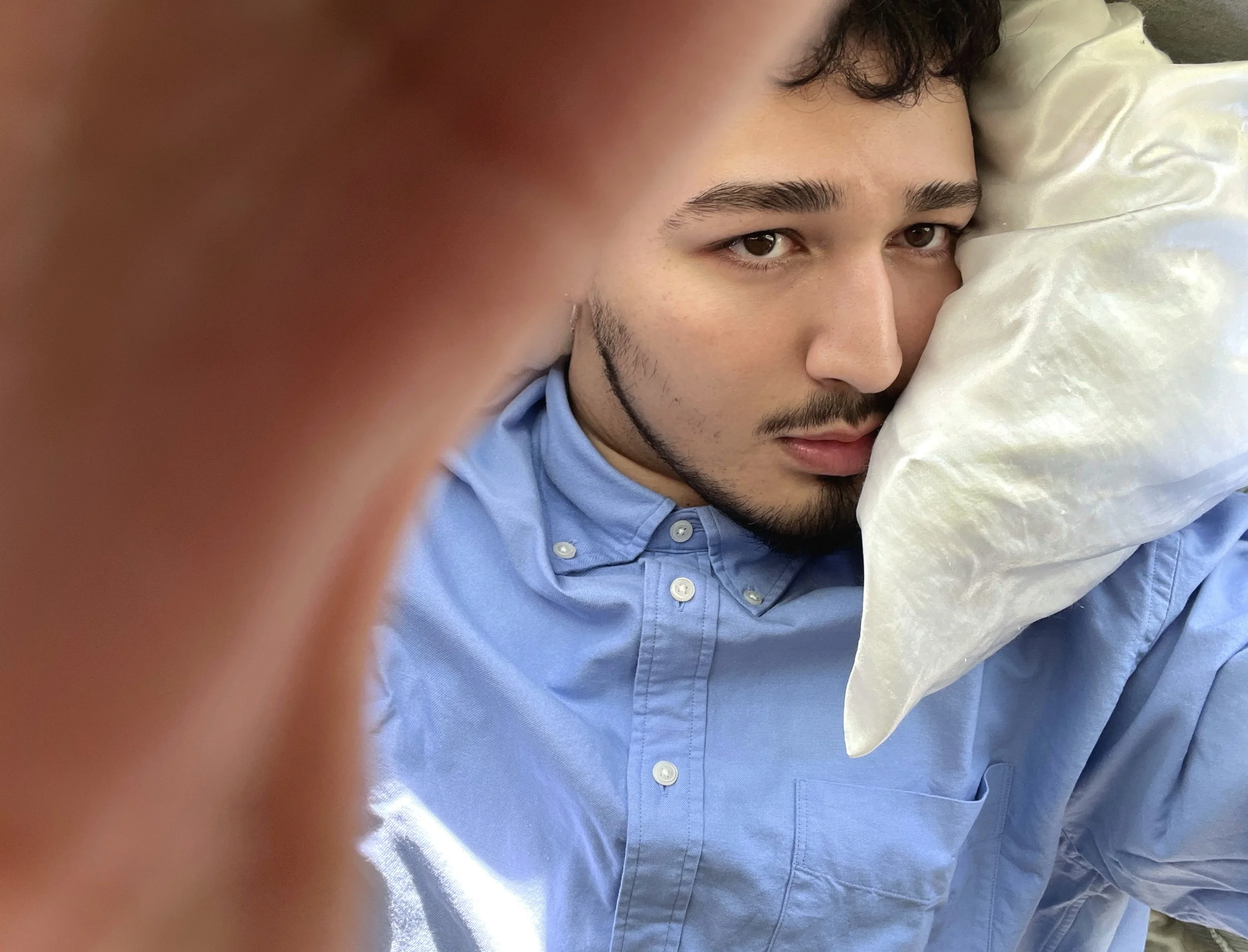
JENN BAN
Jenn Ban (she/they) is a Mother, Filipinx-American multidisciplinary artist, Reiki master-teacher, tattoo artist, world builder and cultural-community organizer currently living in San Francisco. They're artwork focuses on the themes of nature, self evolution and soul transcendence through exploration of art, healing, and community organizing. Their work spans from tattoos, soft-sculptures, paintings, film, soundscapes, workshops, and curation.
Jenn’s work has been featured in the Asian Art Museum in San Francisco, Yerba Buena Center for the Arts, and in galleries across the Bay Area, Florida, Europe, and the Philippines. They're the co-founder and Community Arts Director of Bituin Studio, a Filipinx-inspired Body Art shop, Art Gallery, and Community Space located in San Francisco's Filipino Historical District (SOMA).
In this residency, Jenn is exploring the becoming of motherhood with her baby, Amansi Jude “Juju”. As a mother and living artist, Jenn’s practice incorporates ways of being with Juju. How mother and child are one and the remembrance that children can co-exist in our day to day living.
■ @jenn.ban
■ @sacredskinadornments
■ @bituinstudio